
naica® System, dPCR Solution for Assay Development: Wastewater-Based Epidemiology of COVID-19
The naica® system, a flexible digital PCR solution for assay development: application to wastewater-based epidemiology of COVID-19.

The naica® system, a flexible digital PCR solution for assay development: application to wastewater-based epidemiology of COVID-19.

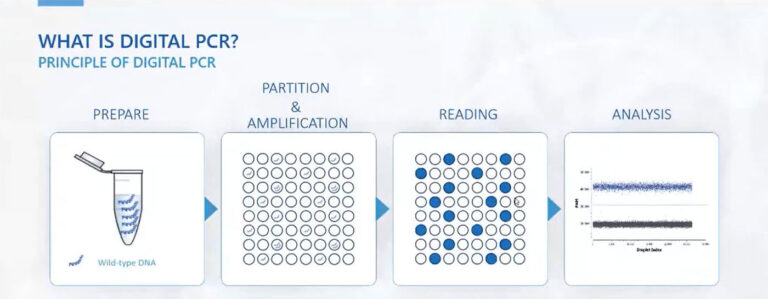
Stilla Technologies has introduced into the market the naica® system, using Crystal Digital PCR™ technology for the precise and highly sensitive quantification of nucleic acids. This powerful, yet easy-to-use digital PCR (dPCR) platform is the highest-plexing dPCR instrument available, with six fluorescent channels used to detect multiple genetic targets in a single run.

Halal food is steadily building up a healthy following among global consumers. Having exceeded USD 1.9 trillion in 2021, the global halal food market is estimated to reach nearly USD 4 trillion by 2027.

First introduced in 2016 by Klaus Schwab, in his book titled the Fourth Industrial Revolution, the term Industry 4.0 refers to the use of digital technologies to make manufacturing more agile, flexible, and responsive.

Let us first understand what a sampling plan is. Often, this is an approach used by an auditor or researcher to study a batch of products or a segment of the materials. The plan will contain a detailed outline of measurements taken of the samples at what times, on which material, in what manner, and by whom.

The authenticity of food raw materials, ingredients and finished products is integral to securing and maintaining consumer trust and protecting company brands. A look at the current economic climate and how it is shaping food fraud in different segments and geographical regions of the market will set the scene for understanding how the Thermo Scientific NGS Food Authenticity workflow can be a powerful tool for food manufacturers.

Lyophilization, also known as freeze-drying, is a process commonly used in the biotech and food industry to minimize the moisture content and water activity of products.

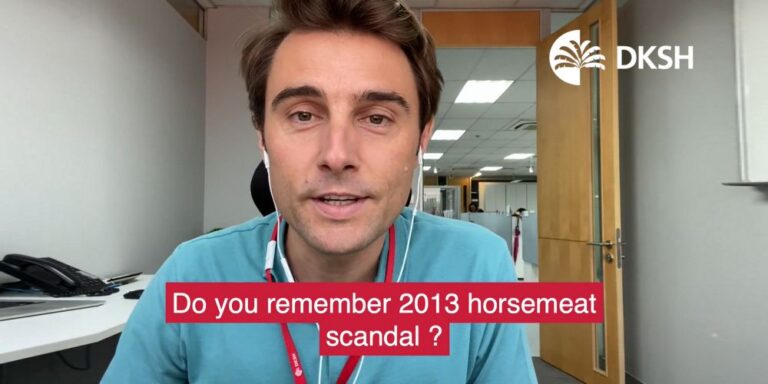
The horsemeat scandal in 2013 was one of the biggest threats to food safety in recent history and exposed the vulnerability of supply in the food industry. To recap, the incident was when meat from horses entered the supply chain as beef and ended up being sold in many products across Europe and beyond.

Gene therapy involves introducing new genetic material into cells so that abnormal genes causing bad protein-coding functions are altered, replaced or silenced. It is most active in the treatment of cancer, accounting for over 60 percent of clinical trials and over 50 percent of all approved therapies worldwide.

As Asian consumers demand safe, high-quality food products, producers and exporters must trace, test, and eliminate the risks from ‘farm to fork.
Delivering Growth – in Asia and Beyond.
© DKSH International Ltd.
Please enter your details here: